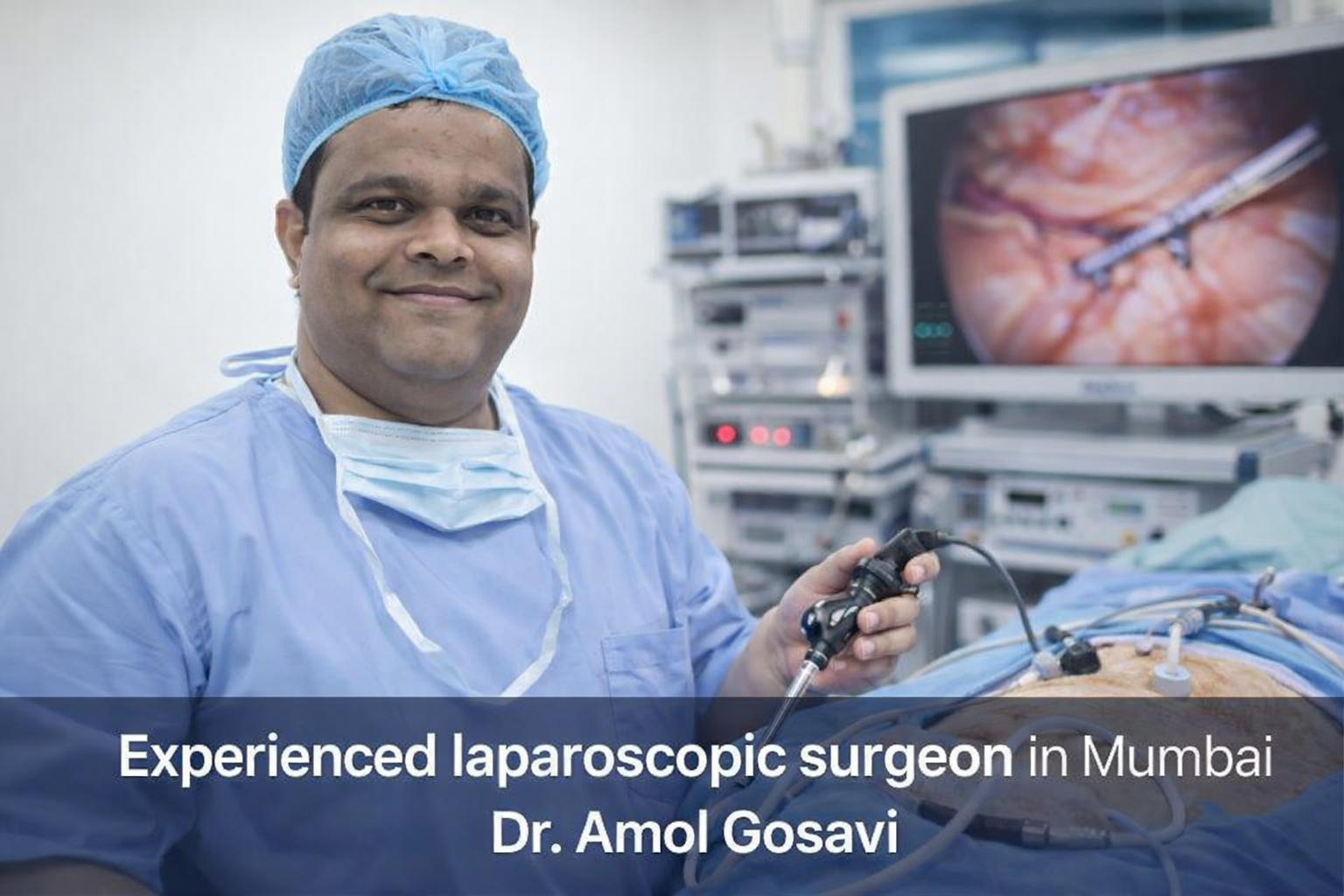
 Experienced laparoscopic surgeon in Mumbai | Dr. Amol Gosavi – Everything You Need to Know
Modern medical technology has transformed the way surgeries are performed today. One of the most significant advancements is laparoscopic surgery, also known as minimally invasive surgery.
If you are searching for a experienced laparoscopic surgeon in Mumbai, understanding how this procedure works and its benefits can help you make the right healthcare decision.
Dr. Amol Gosavi is an experienced laparoscopic surgeon in Mumbai known for performing advanced minimally invasive procedures with precision and patient-focused care.
What is Laparoscopic Surgery?
Laparoscopic surgery is a modern surgical technique where operations are performed through small incisions using specialized instruments and a tiny camera called a laparoscope.
The laparoscope sends high-definition images to a monitor, allowing the surgeon to perform surgery with greater accuracy.
Unlike traditional open surgery, laparoscopic procedures involve:
This technique is widely used for treating several abdominal conditions.
Common Conditions Treated with Laparoscopic Surgery
An experienced laparoscopic surgeon in Mumbai like Dr. Amol Gosavi performs various procedures using minimally invasive techniques.
Common surgeries include:
1. Gallbladder Surgery (Laparoscopic Cholecystectomy)
Laparoscopic cholecystectomy is a modern and minimally invasive surgical procedure used to remove the gallbladder, usually when a patient is suffering from gallstones or gallbladder inflammation. During this procedure, the surgeon makes a few small incisions in the abdomen and inserts a laparoscope—a thin tube with a camera—to view the internal organs on a monitor. Specialized surgical instruments are then used to carefully remove the gallbladder. This technique allows the surgeon to perform the operation with high precision while minimizing damage to surrounding tissues.
2. Hernia Repair
Hernia repair is a surgical procedure performed to treat a condition where an internal organ or tissue pushes through a weak spot in the surrounding muscle or abdominal wall. Laparoscopic hernia repair involves making small incisions through which a laparoscope and surgical instruments are inserted to repair the weakened area, often using a surgical mesh for added support. This minimally invasive technique helps reduce pain, lowers the risk of infection, and allows patients to recover faster compared to traditional open surgery.
3. Appendix Surgery (Appendectomy)
Appendix surgery, also known as an appendectomy, is performed to remove the appendix when it becomes inflamed or infected, a condition called appendicitis. In laparoscopic appendectomy, the surgeon makes small incisions in the abdomen and uses a laparoscope to guide the removal of the appendix safely and precisely. This method is widely preferred because it causes less pain, leads to quicker healing, and enables patients to return to their normal routine sooner.
4. Gastrointestinal Procedures
Laparoscopic gastrointestinal procedures are used to diagnose and treat various conditions affecting the digestive system, including the stomach, intestines, and other abdominal organs. Through small incisions and the use of a camera-guided laparoscope, surgeons can perform procedures such as removing growths, repairing intestinal issues, or treating certain digestive disorders. These minimally invasive techniques provide better visualization for the surgeon, reduce surgical trauma, and help patients experience faster recovery and shorter hospital stays.
Benefits of Laparoscopic Surgery
Patients today prefer laparoscopic procedures because they offer several advantages over traditional surgery.
1. Smaller Incisions
Only small cuts are required, which means minimal scarring and better cosmetic results.
2. Faster Recovery
Most patients can return to normal activities within a few days to a couple of weeks.
3. Less Pain
Smaller incisions lead to less post-operative discomfort.
4. Lower Risk of Infection
Because the wounds are smaller, the risk of infection is significantly reduced.
5. Shorter Hospital Stay
Many laparoscopic surgeries allow patients to go home within 24–48 hours.
Recovery After Laparoscopic Surgery
Recovery after laparoscopic surgery is usually quicker compared to traditional open surgery because the procedure involves small incisions and less tissue damage. Most patients can return to their normal daily activities within a few days to a couple of weeks. Following the doctor’s advice, taking prescribed medications, and avoiding heavy lifting help ensure a smooth and faster recovery.
Conclusion
Laparoscopic surgery has become one of the most effective and preferred surgical methods due to its minimally invasive nature, faster recovery time, and reduced risk of complications. Procedures such as gallbladder removal, hernia repair, and appendix surgery can now be performed with greater precision and improved patient comfort. If you are experiencing abdominal pain or symptoms that may require surgical treatment, consulting an experienced laparoscopic surgeon can help you receive the right diagnosis and advanced care. Early medical attention ensures better outcomes and a smoother recovery.
Experienced laparoscopic surgeon in Mumbai Experienced laparoscopic surgeon in Mumbai Experienced laparoscopic surgeon in Mumbai Experienced laparoscopic surgeon in Mumbai Experienced laparoscopic surgeon in Mumbai Experienced laparoscopic surgeon in Mumbai Experienced laparoscopic surgeon in Mumbai Experienced laparoscopic surgeon in Mumbai
Best Laparoscopic Surgeon in Thane
Top Laser Surgeon in Thane