
Laser Piles Treatment in Thane
Piles, also known as haemorrhoids, are swollen blood vessels in or around the anal canal that may cause discomfort, itching, swelling or bleeding during bowel movements. Treatment depends on the type, grade and severity of piles, as well as the patient’s individual condition.
Dr. Amol Gosavi provides consultation and Laser Piles Treatment in Thane for suitable patients after clinical evaluation. Depending on the diagnosis, treatment may include lifestyle and dietary changes, medicines, minimally invasive procedures or surgical options. Laser-based procedures may be considered in selected cases, with the most appropriate treatment recommended after examination.
Laser Piles Treatment in Thane Laser Piles Treatment in Thane Laser Piles Treatment in Thane Laser Piles Treatment in Thane Laser Piles Treatment in Thane Laser Piles Treatment in Thane
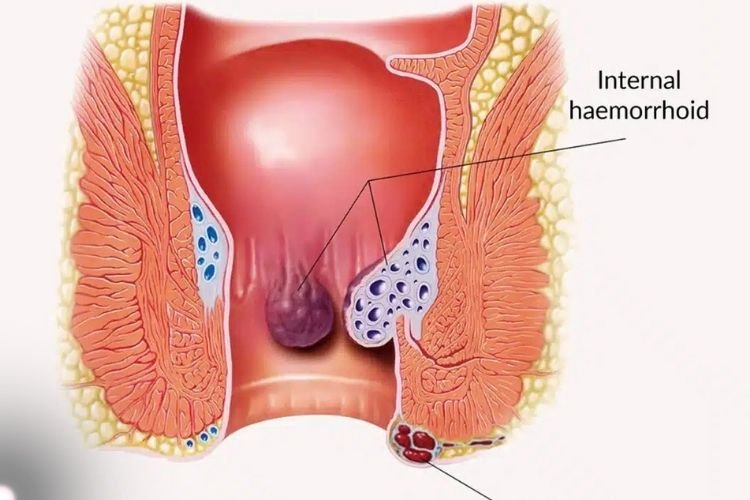
Symptoms of Piles
Piles (hemorrhoids) can cause a range of uncomfortable symptoms that often worsen if left untreated. One of the most common signs is bleeding during bowel movements, usually seen as bright red blood on toilet paper or in the stool. Patients may also experience pain or discomfort while sitting or passing stool, especially in advanced stages.
Other symptoms include itching or irritation around the anal area, swelling or a lump near the anus, and a feeling of incomplete bowel evacuation. In some cases, mucus discharge or a sensation of heaviness in the rectal region may also occur. These symptoms can vary depending on the severity of the condition, and early medical consultation is important to prevent complications and ensure effective treatment. Laser Piles Treatment in Thane Laser Piles Treatment in Thane Laser Piles Treatment in Thane Laser Piles Treatment in Thane Laser Piles Treatment in Thane Laser Piles Treatment in Thane Laser Piles Treatment in Thane
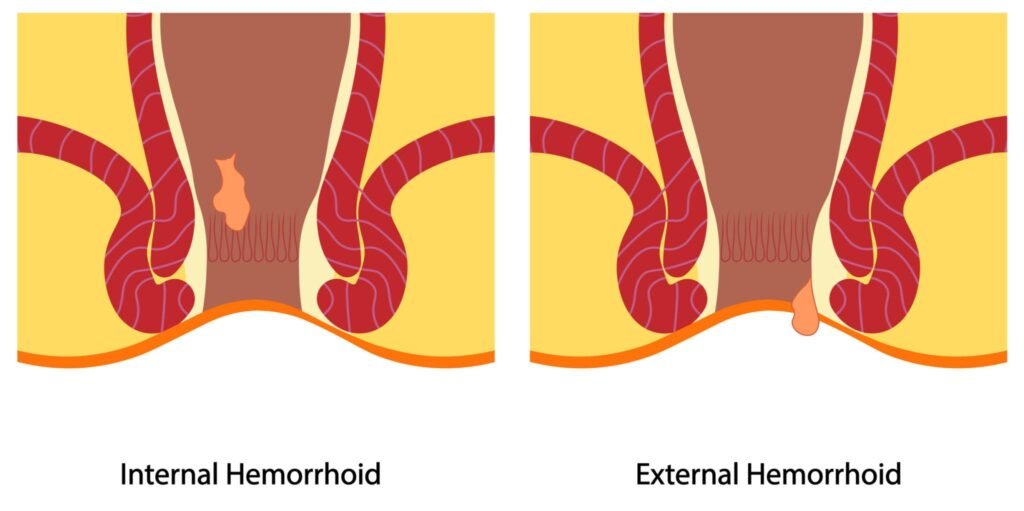
Causes of Piles
Piles (hemorrhoids) are mainly caused by increased pressure in the veins of the rectal and anal region. One of the most common causes is chronic constipation, where straining during bowel movements puts excessive pressure on these veins, leading to swelling. A low-fiber diet and inadequate water intake can further worsen this condition by making stools hard and difficult to pass.
Other contributing factors include a sedentary lifestyle, prolonged sitting (especially on the toilet), and lack of physical activity, which slow down digestion and increase strain. Pregnancy is another major cause, as the growing uterus exerts pressure on pelvic veins, often leading to piles in women. Additionally, obesity, heavy weight lifting, chronic coughing, and aging can weaken the supporting tissues, making individuals more prone to developing piles.
How Laser Surgery for Piles Works
Laser surgery for piles is a minimally invasive procedure that uses focused laser energy to treat swollen hemorrhoidal tissues with high precision. During the procedure, a specialized laser probe is gently inserted into the affected area, where controlled laser heat is applied to shrink and seal the enlarged blood vessels. This process cuts off the blood supply to the piles, causing them to gradually reduce in size and heal naturally without the need for major incisions.
The entire procedure is quick, usually completed within 20–30 minutes, and is performed under local or short-duration anesthesia. Since there are no large cuts or stitches, patients experience minimal pain, reduced bleeding, and faster recovery. Most individuals can return to their daily routine within a short period, making laser surgery a safe and effective solution for treating piles.
Benefits of Laser Piles Treatment
Laser treatment may be considered for selected patients depending on the type and severity of piles. Compared with some conventional surgical approaches, minimally invasive techniques may involve smaller wounds and may support a more comfortable postoperative recovery in suitable cases. However, recovery time and treatment outcomes can vary from person to person. Dr. Amol Gosavi recommends the treatment approach after clinical examination and assessment of the individual condition.
Recovery & Post-Treatment Care
Recovery after laser piles treatment is quick and smooth, with most patients resuming normal activities within a few days. Proper care, including a high-fiber diet, adequate hydration, and maintaining hygiene, helps ensure faster healing and prevents recurrence.
When Should You Consult a Doctor for Piles?
You should consider consulting a doctor if piles-related symptoms persist, repeatedly return, or begin affecting your daily activities. Medical evaluation is particularly important if you notice rectal bleeding, a painful or persistent lump, significant discomfort during bowel movements, or symptoms that do not improve with basic lifestyle measures. Since similar symptoms can occur with other anorectal conditions, proper diagnosis is important before starting treatment.
For patients experiencing recurring or complex anorectal concerns, consulting an Advanced Laser Proctologist in Thane can help determine the appropriate treatment approach after a detailed clinical evaluation.
Frequently Asked Questions (FAQs)
Is laser treatment suitable for every patient with piles?
No. The appropriate treatment depends on the grade, symptoms, examination findings and overall health of the patient. Laser treatment may be considered for suitable cases after medical evaluation.
How is piles diagnosed?
Diagnosis generally involves discussing symptoms and performing a clinical examination. Depending on the condition, the doctor may recommend additional examination or tests to confirm the diagnosis and rule out other causes.
How long does recovery take after laser piles treatment?
Recovery varies according to the procedure performed, severity of the condition and individual health. Your surgeon will provide specific instructions regarding activity, diet and follow-up after treatment.
Can piles come back after treatment?
Recurrence is possible because several factors—including constipation, straining and lifestyle habits—can contribute to piles. Following medical advice, maintaining healthy bowel habits and addressing constipation may help reduce future problems.
Where can I consult for Laser Piles Treatment in Thane?
Patients looking for Laser Piles Treatment in Thane can consult Dr. Amol Gosavi for clinical evaluation and discussion of appropriate treatment options based on their individual condition.
Book An Appointment
For more information about Laser Piles Treatment in Thane, treatment options, and health awareness updates, follow Dr. Amol Gosavi on Facebook.
